

Chimney Repairs: When Should You Call the Pros?
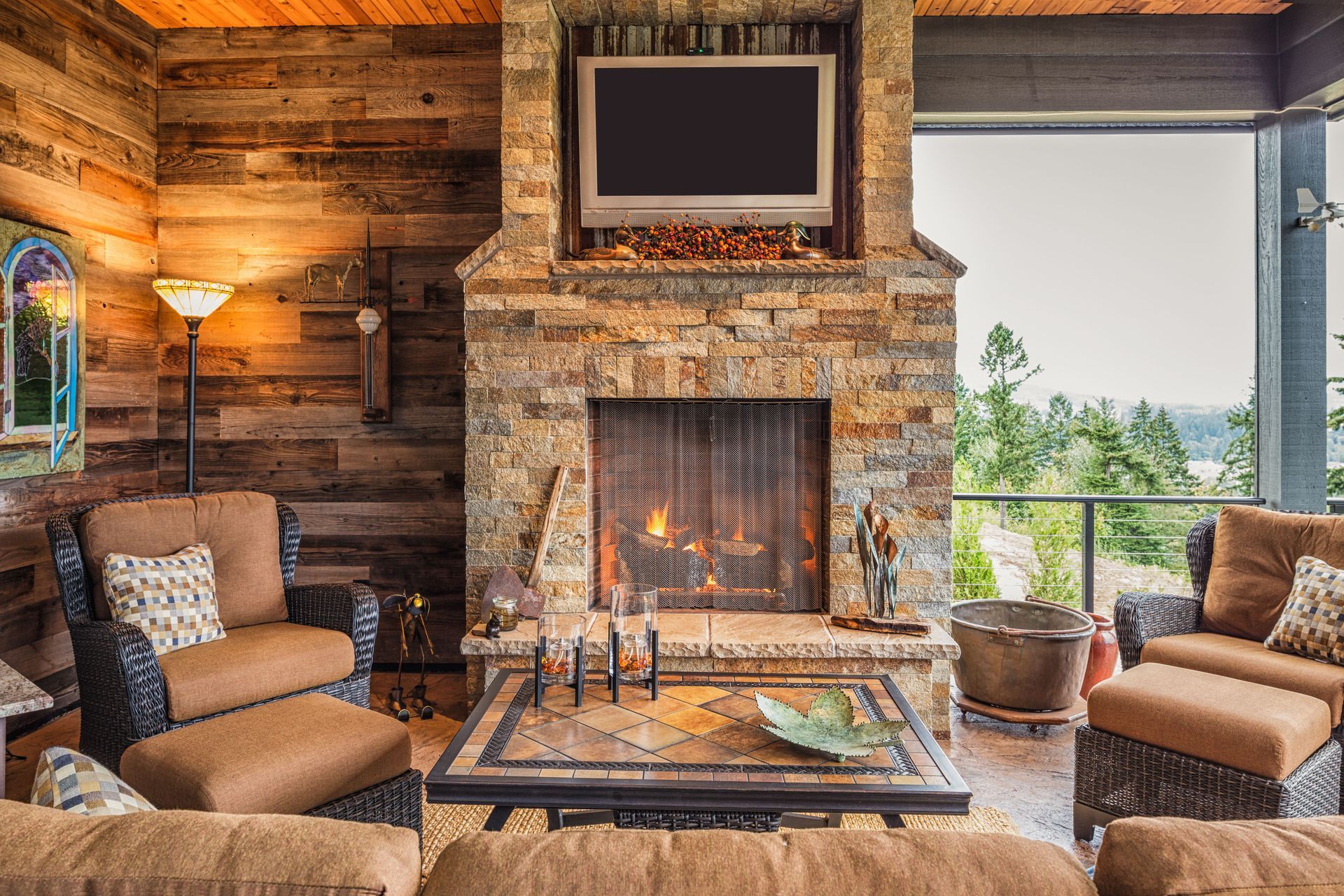
A home fireplace provides warmth, comfort, and an inviting focal point during chilly months, serving as a cherished gathering spot for families and friends throughout the cold season. However, behind the rustic charm of flickering flames lies a complex venting structure that requires ongoing care and meticulous maintenance. Exposure to harsh seasonal weather, extreme thermal cycles, moisture accumulation, and simple aging can gradually deteriorate the physical integrity of a residential chimney system. While homeowners often tackle basic maintenance tasks around the house, attempting major chimney fixes without specialized expertise can lead to dangerous structural failures, moisture damage, or elevated safety hazards. Knowing when to step back and engage experienced specialists is essential for protecting structural stability, home value, and household safety. Proper care ensures that ambient air quality remains healthy and heating performance remains optimal year after year.
Recognize Structural Cracks and Settling Issues
Over time, natural settling, ground shifts, and harsh freeze-thaw cycles can create visible fractures along the exterior structure. Minor surface hairline fractures may initially seem harmless, but left unchecked, moisture enters these tiny gaps and expands during freezing temperatures. This continuous expansion widens the fissures, weakening the surrounding structure and compromising overall stability. When larger vertical or horizontal fractures develop along the exterior facade, simple cosmetic touch-ups are insufficient to address the underlying vulnerability. Professional intervention is required to evaluate structural integrity and implement proper masonry repairs before localized cracking spreads further. Addressing these warning signs promptly prevents moisture penetration deep into structural materials.
Specialized technicians utilize heavy-duty materials, precise tools, and tailored techniques to ensure long-term stability. Attempting quick DIY fixes with improper sealants often traps moisture within the structure, accelerating internal decay rather than preventing it. Furthermore, deeper structural shifts may signal foundation movement or improper load distribution that only seasoned specialists can accurately diagnose. By seeking qualified structural evaluations early, property owners prevent costly future overhauls while keeping the entire structure secure and operational through expert masonry repairs.
Identify Crumbling Mortar and Spalling Bricks
Brick structures appear remarkably durable, yet mortar joints naturally degrade faster than the surrounding units. When mortar begins to flake, crumble, or recess, the brickwork loses essential support and becomes susceptible to severe weather exposure. Additionally, moisture trapped within porous clay units can freeze and thaw, causing the outer face of the brick to pop off or crumble—a phenomenon known as spalling. When multiple units show signs of surface loss or crumbling mortar, performing timely masonry repairs prevents widespread material failure across the facade. Preserving original brickwork maintains property character while preventing structural deterioration.
Restoring deteriorated mortar joints involves a specialized skill known as tuckpointing or repointing. This process requires carefully raking out decayed mortar to a uniform depth without damaging adjacent brick surfaces, followed by applying fresh mortar matched specifically in strength, color, and composition. Using incorrect mortar mixtures, such as overly rigid Portland cement on older, softer brick, causes stress fractures in the surrounding units. Certified craftspeople possess the detailed material knowledge necessary to perform lasting masonry repairs that preserve both function and aesthetic harmony.
Examine Water Intrusion and Damp Flue Liners
Water is the primary adversary of any masonry structure. Moisture intrusion can manifest as damp smells near the fireplace hearth, peeling wall paint adjacent to the stack, water droplets inside the firebox, or visible efflorescence—a white, powdery salt residue left behind on exterior bricks as water evaporates. Water entering the flue liner can corrode metal components, rot internal wooden framing, and cause extensive decay from the inside out. Resolving chronic water problems requires expert diagnostics to trace leak sources, which often originate from compromised caps, faulty crowns, or failing flashings. Protecting flue linings safeguards adjoining interior walls and timber frames against moisture penetration.
According to Siteline, there are almost 95,000 masonry businesses in the US. This vast industry reflects the widespread demand for professional expertise when dealing with complex moisture barriers and structural restorations. Certified technicians carry specialized detection equipment, including high-resolution video scanning cameras, to inspect internal flue passages for hidden cracks, moisture traps, or dangerous soot accumulation. Addressing moisture issues through expert masonry repairs ensures that internal clay or metal liners remain sound, preventing water from seeping into living spaces and causing costly interior renovation needs.
Spot Leaking Dampers and Damaged Flashing
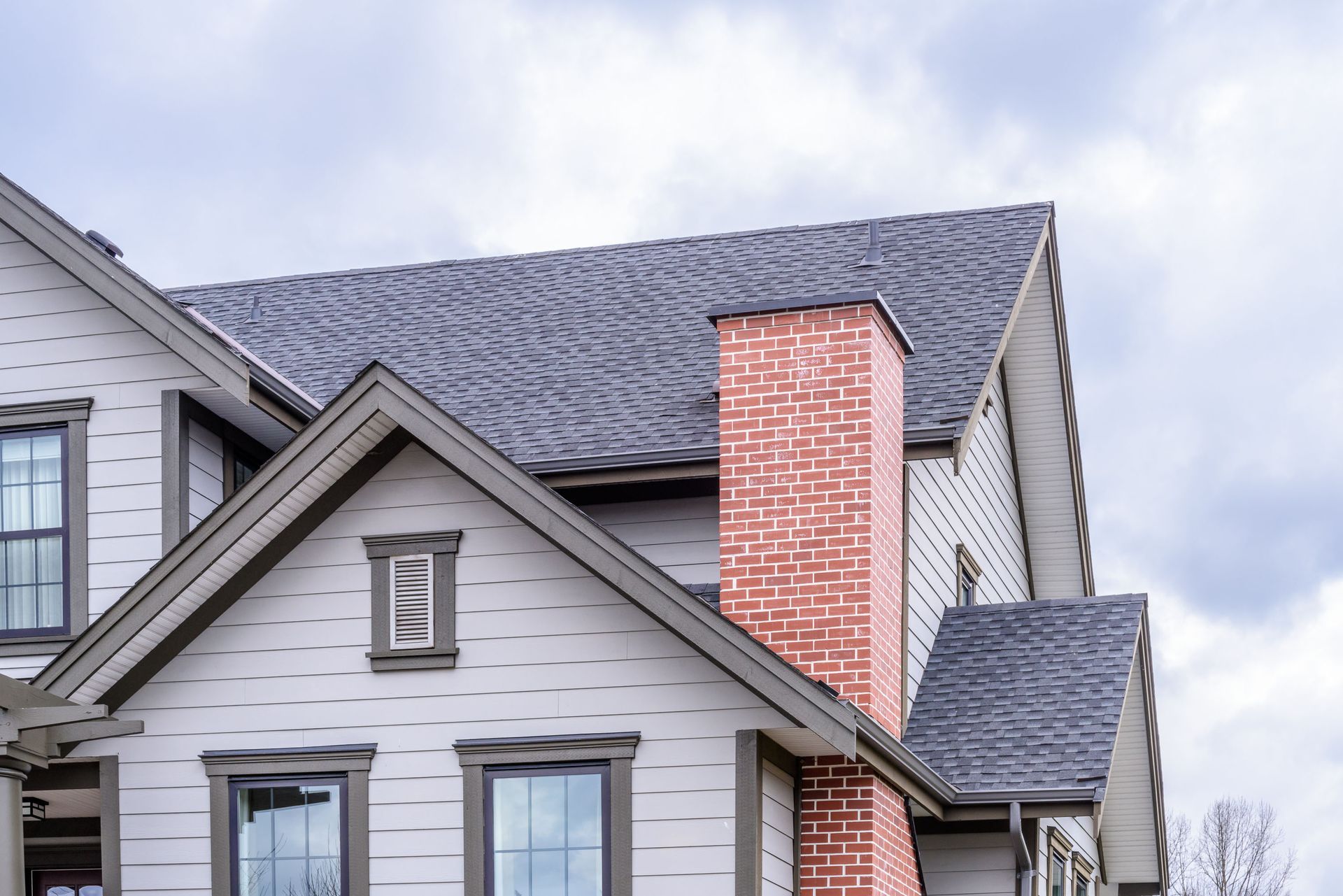
The junction where a chimney exits the roofline represents a particularly vulnerable point on a residential roof. Metal flashing seals this gap, but constant exposure to wind, heavy rain, and thermal movement can cause flashing to warp, rust, or separate from the exterior surface. Simultaneously, throat or top-sealing dampers can warp or corrode, allowing conditioned indoor air to escape while letting moisture and ambient cold air flow freely into the home. Replacing damaged roof flashing or installing a high-efficiency sealing damper requires specialized safety gear, roofing knowledge, and proper sealant application. Professional installation guarantees seamless integration with existing shingles and underlayments.
Improperly installed flashing quickly leads to hidden attic leaks, rotted roof trusses, ruined insulation, and mold growth. Standard caulk applications are merely temporary patches that degrade rapidly under direct solar radiation. Skilled technicians install custom-fitted step and counter flashing tailored to specific roof pitches and material types, guaranteeing a watertight bond. Entrusting these elevated tasks to professionals protects homeowners from severe personal injury while ensuring the roof envelope remains tight and resilient against extreme climate conditions.
Evaluate Leaning Stacks and Tilting Structures
A chimney that visibly leans away from or toward a house indicates a major structural emergency. This condition typically stems from severe foundation settling, eroded footing support, or deep structural decay near the base. A tilting stack exerts tremendous leverage against surrounding framing, posing an immediate collapse risk that threatens structural integrity, adjacent roof sections, and personal safety. Homeowners should never attempt temporary bracing, guy wires, or makeshift props to correct a leaning structure without professional engineering oversight. Immediate attention to shifting masonry ensures structural stability and long-term peace of mind.
When encountering a leaning structure, experienced crews perform comprehensive load assessments to determine whether foundation underpinning, structural reinforcement, or systematic dismantling and rebuilding is required. Specialized contractors utilize crane equipment, heavy support scaffolding, and precision leveling tools to safely dismantle or stabilize shifting masonry columns. Timely professional intervention mitigates severe safety risks, protects surrounding property, and provides peace of mind knowing that structural stability has been fully restored by trained experts.
Schedule Professional Assessments Before Seasonal Use
Annual preventative inspections are essential for maintaining safety, heating efficiency, and structural longevity. Over months of disuse, bird nests, debris, leaves, or animal activity can block flue passages, creating severe fire hazards and causing dangerous carbon monoxide gas to back up into living spaces. Furthermore, internal clay tile liners can crack or spall due to age or thermal shock, exposing combustible wooden house framing to extreme flue temperatures during active operation.
Maintaining a safe, fully operational fireplace system requires vigilance, timely upkeep, and knowing when to call qualified specialists. From minor mortar repointing to major structural stabilization, professional contractors possess the training, specialized tools, and safety protocols required to handle high-risk elevated repairs properly. Protecting home investments and maintaining household safety begins with expert evaluation and skilled craftsmanship.
Investing in quality care safeguards structural integrity and provides comfort throughout cold weather. When your home shows signs of brick decay, water leaks, structural cracking, or seasonal wear, our team at Smoker Masonry LLC is ready to provide durable, high-quality restoration solutions tailored to your needs. Contact us today to learn more.
Share On: